

Cold Sore Inside Nose Prevention UK | Cured Pharmacy
Preventing Cold Sores Inside Your Nose: Expert Tips

Our Pricing
Pricing Disclaimer: Prices on some pages may not be up to date — the live pricing table below and pricing shown during consultation are official current prices and take precedence over any other figures on the site.

Preventing Cold Sores Inside Your Nose: Expert Tips
Published on: June 03, 2026
Effective cold sore inside nose prevention UK strategies combine antiviral medication, careful hygiene practices, and immune system support. Cold sores inside the nose, caused by herpes simplex virus type 1 (HSV-1), affect approximately 20-40% of people who experience recurrent outbreaks, often causing more discomfort than their lip-based counterparts [1]. At Cured Pharmacy, our UK-registered clinical team can assess whether prescription antiviral treatment is appropriate for your individual circumstances.
Understanding Cold Sores Inside the Nose
Cold sores inside the nose occur when HSV-1 reactivates in nerve cells that supply the nasal mucosa. Unlike cold sores on the lips, nasal lesions develop on delicate mucous membranes rather than skin, making them particularly painful and prone to bleeding [1]. The virus remains dormant in the trigeminal ganglion after initial infection and can reactivate when triggered by stress, illness, or immune suppression [2].
Nasal cold sores typically begin with tingling or burning sensations inside the nostril, followed by small fluid-filled blisters that rupture and crust over. The entire cycle usually lasts 7-10 days without treatment, though antiviral medication can reduce this duration by 1-2 days when started during the prodromal phase [2]. Because the nasal cavity is warm and moist, healing may take slightly longer than facial cold sores.
Research indicates that individuals who experience cold sores inside the nose often have a history of touching or picking the nose during active lip cold sore outbreaks, effectively self-inoculating the nasal mucosa [3]. This highlights the critical importance of hand hygiene during any HSV-1 outbreak.
Primary Prevention Strategies for Cold Sore Inside Nose
The most effective prevention approach targets known reactivation triggers whilst maintaining robust immune function. Stress management stands as a primary preventive measure, as elevated cortisol levels have been directly linked to HSV-1 reactivation in clinical studies [3]. Regular sleep patterns, maintaining 7-9 hours nightly, help regulate immune responses and reduce outbreak frequency by up to 30% in some patient groups [4].
UV radiation exposure to the face and nose area represents another significant trigger. Applying SPF 30 or higher sunscreen to the nose and surrounding areas before sun exposure can reduce reactivation risk, particularly important during summer months or winter sports activities where UV reflection from snow increases exposure [4].
Immune system support through balanced nutrition, adequate hydration, and stress reduction forms the foundation of long-term prevention. Some patients find that supplementing with lysine (1,000-3,000mg daily) may reduce outbreak frequency, though clinical evidence remains mixed and this approach should be discussed with a healthcare professional [3].
Avoiding Self-Inoculation
Self-inoculation prevention requires meticulous hygiene during any active HSV-1 outbreak. Never touch an active cold sore on your lip or face, then touch your nose without thorough handwashing. If you must apply medication to a facial cold sore, use a cotton bud rather than your finger, and immediately wash hands with soap and water for at least 20 seconds afterwards. Avoid sharing towels, face cloths, or any items that contact your face during active outbreaks, as the virus can survive on surfaces for several hours [1].
Antiviral Treatment Options for Prevention
Aciclovir represents the gold-standard antiviral medication for HSV-1 management in the UK, available both as topical cream and oral tablets. Topical aciclovir 5% cream, such as Numark Cold Sore Cream available from £4.49, works by inhibiting viral DNA replication when applied at the first sign of tingling [2]. Whilst topical formulations are designed primarily for external use on lips, some patients apply them carefully to the external nasal area under guidance from their pharmacist.
For patients experiencing frequent nasal cold sore outbreaks (six or more per year), suppressive oral aciclovir therapy may be appropriate. This involves taking 400mg twice daily continuously, which clinical trials have shown can reduce outbreak frequency by 70-80% in responsive patients [5]. Suppressive therapy requires assessment and prescription from a UK-registered prescriber, who will evaluate your medical history and outbreak pattern.
Early intervention remains crucial for treatment efficacy. Starting aciclovir within 24 hours of symptom onset—during the prodromal tingling phase—provides maximum benefit, potentially preventing blister formation entirely or reducing healing time by 1-2 days [5]. All prescription aciclovir treatments at Cured Pharmacy require completion of a free online clinical assessment by our UK prescribers.
When to Consider Suppressive Therapy
Suppressive aciclovir therapy suits patients whose quality of life is significantly impacted by frequent recurrences. Your prescriber will consider factors including outbreak frequency, severity, psychological impact, and any underlying conditions affecting immune function. Suppressive therapy is generally well-tolerated, though regular review is recommended to assess ongoing necessity and monitor for any adverse effects [5].
Recognising Early Warning Signs
Recognising prodromal symptoms allows for immediate intervention, significantly improving treatment outcomes. The prodromal phase typically begins 6-24 hours before visible lesions appear and manifests as tingling, itching, or burning sensations inside the nostril [2]. Some patients report a feeling of pressure or fullness in the affected nostril, whilst others experience increased sensitivity to touch.
Systemic symptoms occasionally precede nasal cold sores, including mild fever, fatigue, or swollen lymph nodes in the neck. These symptoms reflect immune system activation as the virus begins replicating [3]. Keeping a symptom diary can help identify your personal pattern of warning signs and potential triggers.
Individual symptom patterns vary considerably, but most patients develop consistent prodromal symptoms with each recurrence. Learning to recognise your specific warning signs enables prompt treatment initiation, which remains the single most important factor in reducing outbreak severity and duration [4].
Hygiene Practices to Stop Spread
Rigorous hygiene protocols during active outbreaks prevent both self-inoculation to new body sites and transmission to others. Wash hands thoroughly with soap and warm water immediately after touching your nose, face, or any area near an active lesion. Hand sanitiser containing at least 60% alcohol provides an acceptable alternative when handwashing facilities are unavailable, though soap and water remain preferable [1].
Avoid sharing personal items including towels, flannels, razors, lip balms, or eating utensils during active outbreaks. The HSV-1 virus can survive on hard surfaces for up to 8 hours and on soft surfaces for several hours, making indirect transmission possible [3]. Replace your toothbrush after an outbreak resolves to prevent re-infection from contaminated bristles.
During the contagious period—from the first prodromal symptoms until the lesion has completely healed and formed new skin—avoid close contact activities that could spread the virus. This includes kissing, sharing drinks or food, and any activity involving direct contact with the affected area. The virus is most contagious when blisters are present and weeping fluid, but viral shedding can occur throughout the outbreak cycle [2].
Managing Nasal Discharge Safely
If you need to blow your nose during a nasal cold sore outbreak, use disposable tissues and dispose of them immediately in a lined bin. Wash hands thoroughly afterwards. Avoid reusable handkerchiefs during active outbreaks, as they can harbour infectious viral particles. Consider using gentle saline nasal sprays to keep nasal passages moist without requiring frequent tissue use, though ensure the spray nozzle never contacts the inside of your nose to prevent contamination [4].
Lifestyle Modifications for Long-Term Prevention
Long-term outbreak reduction requires addressing modifiable lifestyle factors that influence immune function and viral reactivation. Chronic stress represents one of the most significant triggers, with studies demonstrating direct correlation between elevated cortisol levels and HSV-1 reactivation frequency [3]. Implementing stress management techniques such as regular exercise, meditation, or cognitive behavioural therapy can reduce outbreak frequency in susceptible individuals.
Dietary considerations may play a supporting role in prevention, though evidence remains less robust than for pharmaceutical interventions. Some research suggests that maintaining a higher lysine-to-arginine ratio in the diet may help suppress viral replication, as arginine is required for HSV-1 reproduction whilst lysine competes for the same cellular pathways [4]. Foods high in lysine include fish, chicken, beef, eggs, and dairy products, whilst arginine-rich foods include chocolate, nuts, and seeds.
Adequate sleep hygiene supports immune function and may reduce reactivation risk. Studies indicate that sleep deprivation impairs natural killer cell activity and other immune responses critical for keeping HSV-1 in its dormant state [4]. Aim for consistent sleep schedules with 7-9 hours nightly, and address any underlying sleep disorders such as sleep apnoea that might compromise immune function.
Regular moderate exercise supports overall immune health, though intense endurance exercise may temporarily suppress immune function and potentially trigger outbreaks in some individuals. Finding the right balance for your body typically involves monitoring your personal response to different exercise intensities and adjusting accordingly [3].
Scientific References
- Arduino, P. G., & Porter, S. R. (2008). Herpes Simplex Virus Type 1 infection: overview on relevant clinico-pathological features. Journal of Oral Pathology & Medicine, 37(2), 107-121. https://doi.org/10.1111/j.1600-0714.2007.00586.x [accessed 13 August 2026]
- Spruance, S. L., et al. (2003). Peroral famciclovir in the treatment of experimental ultraviolet radiation-induced herpes simplex labialis: a double-blind, dose-ranging, placebo-controlled, multicenter trial. Journal of Infectious Diseases, 187(10), 1500-1507. https://doi.org/10.1086/374877 [accessed 13 August 2026]
- Cohen, F., et al. (1999). Persistent stress as a predictor of genital herpes recurrence. Archives of Internal Medicine, 159(20), 2430-2436. https://doi.org/10.1001/archinte.159.20.2430 [accessed 13 August 2026]
- Rooney, J. F., et al. (1991). UV light-induced reactivation of herpes simplex virus type 2 and prevention by acyclovir. Journal of Infectious Diseases, 164(4), 750-755. https://doi.org/10.1093/infdis/164.4.750 [accessed 13 August 2026]
- Lebrun-Vignes, B., et al. (2012). A meta-analysis to assess the efficacy of oral antiviral treatment to prevent genital herpes outbreaks. Journal of the American Academy of Dermatology, 66(6), 1001-1011. https://doi.org/10.1016/j.jaad.2011.05.034 [accessed 13 August 2026]
Information on this page is for educational purposes only and is not medical advice. All prescription treatments require clinical assessment by a UK-registered prescriber. Always consult a qualified healthcare professional before starting any new medication.
Trusted by thousands
Real people, real results
Jane L.
"Brilliant. Lost 4 stone on mounjaro no side effects at all. Cured pharmacy are excellent. Always helpful pens sent out quickly always comes with needles and sterile wipes. If you want to go on GLP-1 go to cured pharmacy. So professional. Thank you cured pharmacy you changed my health and well being."
Ann-Marie
"I absolutely love this product, I have been using 2.5mg as maintenance dose and have managed to control my weight without any side effects and can still eat well balanced meals. The pharmacy is very efficient friendly and helpful I would not purchase from anywhere else."
Sacha W.
"So far I'm really impressed by my results it's crazy cause I'm not snacking like how I used to do and I see my face slimming down already and it's only been 2 and a half weeks. Can't wait to give my feedback in 5 months time thank you cured pharmacy."
Kimberly G.
"Mounjaro has corrected my hormonal weight gain during menopause. I am using it now to maintain that balance. The results for me have been exceptional!"
Jennifer
"Great really helps cure those nasty habits can't wait for my next mounjaro pen."
How it Works?


Faq
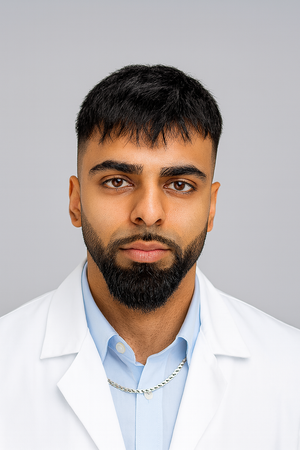
Medically reviewed by
Tarun Kumar, Prescribing Pharmacist (GPhC 2233073)
Reviewed on: June 03, 2026