

Cold Sore Inside Mouth Treatment UK | Cured Pharmacy
Cold Sore Inside Mouth: Symptoms Explained

Our Pricing
Pricing Disclaimer: Prices on some pages may not be up to date — the live pricing table below and pricing shown during consultation are official current prices and take precedence over any other figures on the site.

Cold Sore Inside Mouth: Symptoms Explained
Published on: June 03, 2026
Searching for effective cold sore inside mouth treatment UK options? While true cold sores caused by herpes simplex virus typically appear on the lips, understanding what's happening inside your mouth is essential for proper treatment. At Cured Pharmacy, our UK-registered clinical team can assess your symptoms and recommend appropriate antiviral therapy when needed.
Understanding Cold Sores Inside the Mouth: What You're Actually Experiencing
Cold sores caused by herpes simplex virus type 1 (HSV-1) rarely develop inside the mouth in adults. When HSV-1 first infects someone—usually during childhood—it can cause primary herpetic gingivostomatitis, which produces painful lesions throughout the mouth, gums, and throat [1]. This initial infection differs significantly from the recurrent cold sores most adults experience on their lips.
After the primary infection, HSV-1 typically reactivates only on the outer lips, where it causes the familiar blistering cold sores. If you're experiencing painful sores inside your mouth as an adult, you're more likely dealing with aphthous ulcers (canker sores), traumatic ulcers, or—in immunocompromised patients—recurrent intraoral herpes [1][2]. Distinguishing between these conditions matters because treatment approaches differ substantially.
Primary Herpetic Gingivostomatitis: When HSV-1 First Strikes
Primary herpetic gingivostomatitis represents the initial HSV-1 infection, most commonly affecting children between ages one and five [1]. Symptoms include multiple painful ulcers on the gums, tongue, palate, and inside the cheeks, accompanied by high fever, swollen lymph nodes, and difficulty eating or drinking. The condition typically resolves within 7-14 days but can cause significant discomfort.
Adults who escaped childhood HSV-1 infection can develop primary gingivostomatitis when first exposed to the virus, though this occurs less frequently. The presentation in adults tends to be more severe, with extensive oral ulceration and systemic symptoms [2]. Treatment with oral aciclovir can reduce symptom duration and severity when started within 72 hours of symptom onset, though many cases are managed supportively with pain relief and hydration.
Recognising Primary Infection Symptoms
Key features distinguishing primary herpetic gingivostomatitis from other oral conditions include widespread distribution of lesions (not isolated to one area), accompanying fever and malaise, intensely painful gingival inflammation, and the patient's lack of previous cold sore history. The ulcers typically begin as small vesicles that quickly rupture, leaving shallow ulcers with red borders and yellow-grey centres [1].
Recurrent Intraoral Herpes: Rare but Possible
While uncommon in immunocompetent adults, HSV-1 can occasionally reactivate on the hard palate or gums—areas of keratinised mucosa similar to lip tissue [2]. These recurrent intraoral lesions appear as small clusters of vesicles that rupture quickly, leaving painful ulcers. They differ from aphthous ulcers by their clustered appearance, location on attached gingiva or hard palate, and shorter healing time of 7-10 days.
Recurrent intraoral herpes occurs more frequently in immunocompromised patients, including those with HIV, undergoing chemotherapy, or taking immunosuppressive medications [3]. In these populations, lesions may appear anywhere in the mouth, last longer, and recur more frequently. Prophylactic or episodic aciclovir therapy can significantly reduce outbreak frequency and severity in affected patients.
Aphthous Ulcers: The More Likely Culprit
Most adults experiencing painful sores inside the mouth are dealing with aphthous ulcers (canker sores), not cold sores. These non-infectious lesions affect approximately 20% of the UK population and appear as round or oval ulcers with a white or yellow centre and red border [4]. Unlike cold sores, aphthous ulcers occur exclusively inside the mouth on non-keratinised mucosa—the inside of cheeks, lips, tongue, and soft palate.
Aphthous ulcers have no viral cause and aren't contagious. Triggers include minor trauma (from toothbrushes or sharp foods), stress, hormonal changes, nutritional deficiencies (particularly vitamin B12, folate, or iron), and certain foods [4]. They typically heal within 7-14 days without treatment, though topical preparations containing corticosteroids or antimicrobial agents may accelerate healing and reduce discomfort.
Key Differences: Cold Sores vs Aphthous Ulcers
Cold sores begin with tingling or burning, develop into fluid-filled blisters, then crust over—primarily affecting the lips. Aphthous ulcers appear suddenly as painful round ulcers inside the mouth without a blistering stage. Cold sores are contagious and respond to antiviral treatment; aphthous ulcers are not contagious and don't respond to antivirals. Location provides the clearest distinction: if it's on your inner cheek, tongue, or soft palate, it's almost certainly not a cold sore.
Aciclovir Treatment for Oral HSV-1 Infections
Aciclovir remains the gold-standard antiviral for treating HSV-1 infections in the UK. For primary herpetic gingivostomatitis, oral aciclovir 200mg five times daily for 5-7 days can reduce symptom duration and severity when started within 72 hours of onset [1][2]. The medication works by inhibiting viral DNA replication, preventing the virus from multiplying and spreading to new cells.
For recurrent intraoral herpes, particularly in immunocompromised patients, treatment approaches vary. Episodic therapy (treating each outbreak as it occurs) uses the same dosing as for primary infection. Suppressive therapy—taking aciclovir 400mg twice daily continuously—may be recommended for patients experiencing frequent recurrences, significantly reducing outbreak frequency [3]. At Cured Pharmacy, aciclovir is available from £4.49 following assessment by a UK prescriber.
When to Seek Professional Assessment
Consult a healthcare professional if you experience severe mouth ulceration with fever, difficulty swallowing or drinking, ulcers lasting longer than three weeks, or frequent recurrent oral lesions. Immunocompromised patients should seek assessment promptly for any oral ulceration, as early antiviral treatment can prevent complications. Our UK-registered clinical team at Cured Pharmacy can assess your symptoms through a free online consultation and determine whether prescription treatment is appropriate.
Managing Oral Discomfort and Preventing Recurrence
Regardless of whether you're dealing with HSV-1 infection or aphthous ulcers, symptomatic management improves comfort during healing. Over-the-counter options include benzydamine mouthwash for pain relief, chlorhexidine mouthwash to prevent secondary bacterial infection, and topical anaesthetic gels containing lidocaine [4]. Avoiding acidic, spicy, or rough-textured foods reduces irritation, while maintaining excellent oral hygiene prevents complications.
For HSV-1 carriers, identifying and avoiding personal triggers can reduce recurrence frequency. Common triggers include stress, illness, sun exposure, hormonal changes, and immune suppression [2]. While you cannot eliminate the virus once infected, maintaining a healthy immune system through adequate sleep, stress management, and balanced nutrition may help reduce outbreak frequency. Some patients benefit from daily lysine supplementation, though evidence remains limited [3].
Scientific References
- Arduino, P. G., & Porter, S. R. (2008). Herpes Simplex Virus Type 1 infection: overview on relevant clinico-pathological features. Journal of Oral Pathology & Medicine, 37(2), 107-121. https://doi.org/10.1111/j.1600-0714.2007.00586.x [accessed 13 August 2026]
- Fatahzadeh, M., & Schwartz, R. A. (2007). Human herpes simplex virus infections: epidemiology, pathogenesis, symptomatology, diagnosis, and management. Journal of the American Academy of Dermatology, 57(5), 737-763. https://doi.org/10.1016/j.jaad.2007.06.027 [accessed 13 August 2026]
- Spruance, S. L., et al. (1996). Peroral famciclovir in the treatment of experimental ultraviolet radiation-induced herpes simplex labialis: a double-blind, dose-ranging, placebo-controlled, multicenter trial. Journal of Infectious Diseases, 174(6), 1189-1193. https://doi.org/10.1093/infdis/174.6.1189 [accessed 13 August 2026]
- Scully, C., & Porter, S. (2008). Oral mucosal disease: recurrent aphthous stomatitis. British Journal of Oral and Maxillofacial Surgery, 46(3), 198-206. https://doi.org/10.1016/j.bjoms.2007.07.201 [accessed 13 August 2026]
Information on this page is for educational purposes only and is not medical advice. All prescription treatments require clinical assessment by a UK-registered prescriber. Always consult a qualified healthcare professional before starting any new medication.
Trusted by thousands
Real people, real results
Jane L.
"Brilliant. Lost 4 stone on mounjaro no side effects at all. Cured pharmacy are excellent. Always helpful pens sent out quickly always comes with needles and sterile wipes. If you want to go on GLP-1 go to cured pharmacy. So professional. Thank you cured pharmacy you changed my health and well being."
Ann-Marie
"I absolutely love this product, I have been using 2.5mg as maintenance dose and have managed to control my weight without any side effects and can still eat well balanced meals. The pharmacy is very efficient friendly and helpful I would not purchase from anywhere else."
Sacha W.
"So far I'm really impressed by my results it's crazy cause I'm not snacking like how I used to do and I see my face slimming down already and it's only been 2 and a half weeks. Can't wait to give my feedback in 5 months time thank you cured pharmacy."
Kimberly G.
"Mounjaro has corrected my hormonal weight gain during menopause. I am using it now to maintain that balance. The results for me have been exceptional!"
Jennifer
"Great really helps cure those nasty habits can't wait for my next mounjaro pen."
How it Works?


Faq
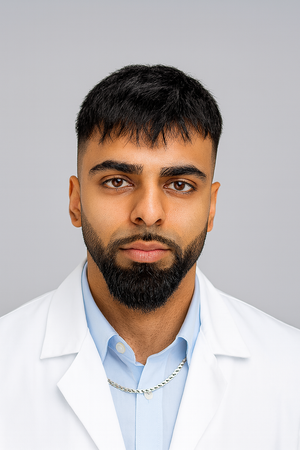
Medically reviewed by
Tarun Kumar, Prescribing Pharmacist (GPhC 2233073)
Reviewed on: June 03, 2026