

Cold Sore in Mouth: Early Treatment Guide

Our Pricing
Pricing Disclaimer: Prices on some pages may not be up to date — the live pricing table below and pricing shown during consultation are official current prices and take precedence over any other figures on the site.

Cold Sore in Mouth: Early Treatment Guide
Published on: June 03, 2026
Effective cold sore in mouth treatment UK options can significantly reduce healing time when started early. At Cured Pharmacy, you'll find NHS-recommended aciclovir treatments from £4.49, with expert guidance from our UK-registered pharmacists to help you recognise symptoms and begin treatment at the crucial first signs.
Understanding Cold Sores Inside the Mouth
Cold sores in the mouth are caused by the herpes simplex virus type 1 (HSV-1), which affects approximately 67% of the UK population under age 50 [1]. Unlike cold sores on the lips, intraoral lesions typically appear on the hard palate, gums, or inside of cheeks as clusters of small, painful blisters that can make eating and drinking uncomfortable.
The virus remains dormant in nerve cells after initial infection and can reactivate during periods of stress, illness, or immune suppression [2]. Recognising the early tingling or burning sensation—known as the prodromal phase—is crucial, as antiviral treatment is most effective when started within the first 48 hours of symptom onset.
Many patients confuse cold sores with canker sores (aphthous ulcers), but there are key differences: cold sores are caused by a virus and may appear with fluid-filled blisters, whilst canker sores are non-viral inflammatory lesions that typically present as single, round ulcers with a white or yellow centre. Cold sores are also contagious, whereas canker sores are not.
How Aciclovir Works for Cold Sore in Mouth Treatment UK
Aciclovir is the gold-standard antiviral treatment licensed by the MHRA for HSV-1 infections in the UK. It works by inhibiting viral DNA polymerase, preventing the herpes virus from replicating and spreading to healthy cells [3]. Clinical trials demonstrate that early application can reduce healing time by up to 1.5 days compared to placebo.
The medication is available in both topical cream (5% aciclovir) and oral tablet formulations. Topical aciclovir cream is most effective for accessible lesions on the lips or just inside the mouth, whilst oral aciclovir may be prescribed for more extensive intraoral outbreaks or frequent recurrences [3]. Both formulations require application or dosing five times daily for optimal efficacy.
At Cured Pharmacy, our superintendent pharmacist Tarun Kumar (GPhC 2233073) recommends starting treatment at the first tingling sensation. The earlier you begin, the more effectively aciclovir can limit viral replication and reduce the severity of the outbreak.
Topical vs Oral Aciclovir: Which Is Right for You?
Topical aciclovir cream is suitable for most cold sore outbreaks and is available without prescription at Cured Pharmacy from £4.49. It's ideal for lesions on the outer lip or easily accessible areas just inside the mouth. Oral aciclovir tablets are prescription-only and may be recommended by a UK prescriber for severe or recurrent infections, particularly those affecting deeper intraoral tissues where topical application is difficult.
Early Warning Signs: When to Start Cold Sore Treatment
The prodromal phase—the period before visible blisters appear—is your window of opportunity for maximum treatment effectiveness. Common early warning signs include localised tingling, itching, burning, or tenderness in the affected area, often accompanied by slight swelling or redness [2].
Research shows that starting aciclovir during this prodromal phase can prevent blisters from fully developing in some cases, and consistently reduces both the duration and severity of outbreaks [3]. Many patients report that early treatment reduces healing time from the typical 7-10 days to as little as 5-6 days.
Keep aciclovir cream readily available if you experience recurrent cold sores. Our UK clinical team can provide guidance on recognising your personal triggers—such as sun exposure, menstruation, stress, or illness—so you can begin treatment proactively.
Recognising Your Personal Triggers
Common triggers for cold sore reactivation include prolonged sun exposure (use SPF lip balm), fever or viral infections, hormonal changes during menstruation, emotional stress, fatigue, and dental procedures that stretch the lips. Keeping a symptom diary can help you identify patterns and start treatment even earlier during future outbreaks.
Step-by-Step Application Guide for Aciclovir Cream
Proper application technique maximises aciclovir's effectiveness and prevents viral spread. Always wash your hands thoroughly before and after application. Use a clean cotton bud or disposable applicator to apply a thin layer of cream to the affected area—avoid using your fingers, which can transfer the virus to other parts of your body or to other people.
Apply the cream five times daily at approximately four-hour intervals, continuing for five days even if symptoms improve earlier [3]. Do not share towels, lip balm, utensils, or drinking glasses during an outbreak, as HSV-1 is highly contagious when active lesions are present.
If you're applying cream inside the mouth, be aware that saliva may reduce contact time. Try to avoid eating or drinking for 15 minutes after application to allow maximum absorption. For cold sores on the lips, avoid touching or picking at lesions, as this can delay healing and increase the risk of bacterial superinfection.
Managing Pain and Discomfort During Outbreaks
Cold sores in the mouth can cause significant discomfort, particularly when eating acidic, spicy, or hot foods. Over-the-counter pain relief such as paracetamol or ibuprofen can help manage pain and reduce inflammation during the acute phase. Topical anaesthetic gels containing lidocaine may provide temporary relief, though they don't treat the underlying viral infection.
Maintaining good oral hygiene is essential, but use a soft-bristled toothbrush to avoid irritating lesions. Rinsing with warm salt water (one teaspoon of salt in 250ml of water) can help keep the area clean and may provide mild antiseptic benefits. Avoid alcohol-based mouthwashes, which can cause stinging and further irritation.
Stay well-hydrated and choose soft, bland foods during the healing phase. Cold drinks and ice lollies may provide temporary numbing relief. If pain becomes severe or you develop difficulty swallowing, fever, or signs of secondary bacterial infection, contact your GP or our clinical team for further assessment.
When to Seek Further Medical Advice
Most cold sores heal without complications, but seek medical attention if lesions don't improve after 10 days, if you develop severe pain or high fever, if cold sores spread to your eyes (which can cause serious complications), or if you have a weakened immune system due to conditions like HIV or cancer treatment. Pregnant women experiencing their first HSV-1 infection should also consult their midwife or GP.
Preventing Future Cold Sore Outbreaks
Whilst there's no cure for HSV-1, you can reduce the frequency and severity of recurrent outbreaks through lifestyle measures and preventive treatment. Use high-SPF lip balm when outdoors, as UV exposure is a common trigger. Manage stress through regular exercise, adequate sleep, and relaxation techniques, as psychological stress is strongly linked to viral reactivation [2].
For patients experiencing frequent recurrences (six or more outbreaks per year), suppressive therapy with daily oral aciclovir may be appropriate. This approach has been shown to reduce outbreak frequency by up to 80% in clinical studies [4]. A UK prescriber can assess whether long-term suppressive treatment is suitable based on your individual circumstances.
Maintain a healthy immune system through balanced nutrition, regular physical activity, and adequate sleep. Avoid sharing personal items that contact the mouth, and be particularly cautious during active outbreaks to prevent transmission to partners or family members. If you notice patterns in your outbreaks, discuss them with our UK clinical team during your free online consultation.
Scientific References
- Looker, K. J., et al. (2015). Global and Regional Estimates of Prevalent and Incident Herpes Simplex Virus Type 1 Infections in 2012. PLOS ONE, 10(10), e0140765. https://doi.org/10.1371/journal.pone.0140765 [accessed 13 August 2026]
- Arduino, P. G., & Porter, S. R. (2008). Herpes Simplex Virus Type 1 Infection: Overview on Relevant Clinico-Pathological Features. Journal of Oral Pathology & Medicine, 37(2), 107-121. https://doi.org/10.1111/j.1600-0714.2007.00586.x [accessed 13 August 2026]
- Spruance, S. L., et al. (2002). Acyclovir Cream for Treatment of Herpes Simplex Labialis: Results of Two Randomized, Double-Blind, Vehicle-Controlled, Multicenter Clinical Trials. Antimicrobial Agents and Chemotherapy, 46(7), 2238-2243. https://doi.org/10.1128/AAC.46.7.2238-2243.2002 [accessed 13 August 2026]
- Rooney, J. F., et al. (1993). Oral Acyclovir to Suppress Frequently Recurring Herpes Labialis: A Double-Blind, Placebo-Controlled Trial. Annals of Internal Medicine, 118(4), 268-272. https://doi.org/10.7326/0003-4819-118-4-199302150-00004 [accessed 13 August 2026]
Information on this page is for educational purposes only and is not medical advice. All prescription treatments require clinical assessment by a UK-registered prescriber. Always consult a qualified healthcare professional before starting any new medication.
Trusted by thousands
Real people, real results
Jane L.
"Brilliant. Lost 4 stone on mounjaro no side effects at all. Cured pharmacy are excellent. Always helpful pens sent out quickly always comes with needles and sterile wipes. If you want to go on GLP-1 go to cured pharmacy. So professional. Thank you cured pharmacy you changed my health and well being."
Ann-Marie
"I absolutely love this product, I have been using 2.5mg as maintenance dose and have managed to control my weight without any side effects and can still eat well balanced meals. The pharmacy is very efficient friendly and helpful I would not purchase from anywhere else."
Sacha W.
"So far I'm really impressed by my results it's crazy cause I'm not snacking like how I used to do and I see my face slimming down already and it's only been 2 and a half weeks. Can't wait to give my feedback in 5 months time thank you cured pharmacy."
Kimberly G.
"Mounjaro has corrected my hormonal weight gain during menopause. I am using it now to maintain that balance. The results for me have been exceptional!"
Jennifer
"Great really helps cure those nasty habits can't wait for my next mounjaro pen."
How it Works?


Faq
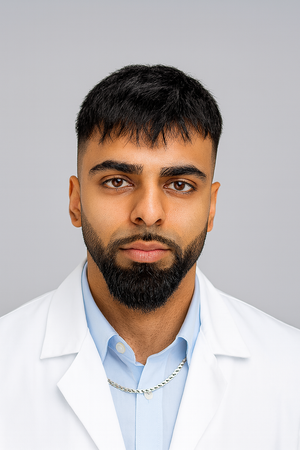
Medically reviewed by
Tarun Kumar, Prescribing Pharmacist (GPhC 2233073)
Reviewed on: June 03, 2026