

Cold Sore Corner of Mouth: 5 Stages Explained | Cured
Cold Sore Corner of Mouth: 5 Stages Explained

Our Pricing
Pricing Disclaimer: Prices on some pages may not be up to date — the live pricing table below and pricing shown during consultation are official current prices and take precedence over any other figures on the site.

Cold Sore Corner of Mouth: 5 Stages Explained
Published on: June 03, 2026
Understanding cold sore corner of mouth stages helps you treat outbreaks effectively and reduce healing time. Cold sores at the mouth corner follow five distinct phases, from initial tingling to complete healing, and recognising each stage allows you to apply antiviral treatment at the optimal moment for maximum efficacy.
Why Cold Sores Appear at the Corner of Your Mouth
Cold sores result from herpes simplex virus type 1 (HSV-1), which remains dormant in facial nerve ganglia after initial infection [1]. The corner of the mouth represents a common site for outbreaks because the skin here experiences frequent movement, stretching, and moisture exposure—all factors that can trigger viral reactivation.
Research indicates that 67% of the global population under 50 carries HSV-1, though not everyone experiences visible outbreaks [1]. Triggers for corner-of-mouth cold sores include stress, UV exposure, hormonal changes, immune suppression, and minor trauma from dental work or aggressive tooth brushing.
The perioral location also creates diagnostic confusion, as angular cheilitis—a fungal or bacterial infection causing similar corner-of-mouth lesions—presents with overlapping symptoms. Cold sores typically appear on the vermillion border or just outside the lip, whilst angular cheilitis affects the skin folds at the mouth corner and rarely produces the characteristic fluid-filled blisters seen in HSV-1 outbreaks.
Stage 1: Prodrome Phase (Tingling and Itching)
The prodrome phase marks the earliest cold sore stage and typically lasts 12 to 24 hours before visible lesions appear. During this window, patients report tingling, itching, burning, or tightness at the corner of the mouth where the outbreak will develop.
This represents the optimal treatment window. Clinical trials demonstrate that topical aciclovir applied during the prodrome phase can reduce healing time by up to 1.4 days compared to later application [2]. At Cured Pharmacy, Numark Cold Sore Cream containing 5% aciclovir is available from £4.49 and works by inhibiting viral DNA replication when applied at first symptoms.
Many patients miss this critical stage because prodromal symptoms are subtle. Keeping antiviral cream accessible allows immediate application when you first notice unusual sensations at the mouth corner, maximising treatment efficacy before blisters form.
Recognising Prodrome Symptoms Early
Prodromal sensations vary between individuals but commonly include localised warmth, mild swelling, or a 'tight' feeling at the affected site. Some patients experience increased sensitivity when touching the area or notice redness before blisters emerge. Documenting your personal prodrome pattern helps you recognise future outbreaks earlier and treat more effectively.
Stage 2: Blister Formation (Papule and Vesicle Phase)
Within 24 to 48 hours of prodrome onset, small fluid-filled blisters develop at the corner of the mouth. These vesicles contain high concentrations of infectious viral particles and typically cluster together, creating the characteristic 'cold sore' appearance [1].
The blister stage remains highly contagious. The clear or slightly cloudy fluid inside vesicles contains millions of HSV-1 particles that can spread through direct contact or contaminated objects. Patients should avoid touching the lesion, sharing utensils or towels, and engaging in oral contact during this phase.
Topical aciclovir applied during blister formation still provides benefit, though efficacy decreases compared to prodrome-phase treatment [2]. The antiviral mechanism works by competing with viral DNA polymerase, preventing new virus production and limiting lesion expansion. Oral aciclovir tablets, available at Cured Pharmacy following clinical assessment, may be prescribed for severe or frequent outbreaks.
Stage 3: Ulceration and Weeping (Open Sore Phase)
Between days 3 and 5, blisters rupture and merge into a single shallow ulcer. This represents the most painful and contagious cold sore stage, as the open lesion exposes nerve endings and releases viral fluid. The corner-of-mouth location exacerbates discomfort because speaking, eating, and facial expressions stretch the affected area.
During ulceration, the sore appears red, raw, and may weep clear fluid or develop a yellowish exudate. Secondary bacterial infection occasionally occurs at this stage, though this remains uncommon with proper hygiene. Patients should gently cleanse the area with cooled boiled water and avoid picking or touching the lesion.
Pain management becomes important during this phase. Over-the-counter paracetamol or ibuprofen can reduce discomfort, whilst keeping the area moisturised with antiviral cream prevents excessive drying and cracking. Some patients find that petroleum jelly applied around (not on) the sore protects surrounding skin from irritation.
Managing Pain and Preventing Spread
The ulceration phase requires careful hygiene to prevent transmission. Wash hands thoroughly after any contact with the sore, use separate towels and utensils, and avoid sharing lip products or cosmetics. Applying aciclovir cream with a clean cotton bud rather than fingers reduces contamination risk and prevents spreading the virus to other facial areas or other people.
Stage 4: Scabbing and Crusting
Around day 5 to 8, the open ulcer begins forming a protective scab. This brown or yellowish crust covers the healing tissue beneath and marks the transition from active viral shedding to tissue repair. Whilst contagiousness decreases during this stage, viral particles may still be present until the scab falls off naturally [1].
The scabbing phase brings its own challenges. Scabs at the corner of the mouth crack easily with normal facial movements, causing minor bleeding and delaying healing. Patients often feel tempted to pick at loosening scabs, but premature removal increases scarring risk and extends recovery time.
Continue applying aciclovir cream during scabbing, as the medication penetrates the crust to reach healing tissue. Keep the area slightly moist to maintain scab flexibility—completely dry scabs crack more readily. Most scabs at the mouth corner persist for 2 to 3 days before naturally detaching.
Stage 5: Healing and Resolution
The final healing stage begins when the scab falls away, revealing pink, regenerating skin underneath. Complete healing typically occurs 10 to 14 days after initial prodrome symptoms, though this varies based on outbreak severity, treatment timing, and individual immune response [2].
Residual redness or slight swelling may persist for several days after the scab detaches. This post-inflammatory change gradually fades as new skin matures. Avoid sun exposure during this period, as newly healed skin is particularly vulnerable to UV damage that could trigger another outbreak.
Once healing completes, the HSV-1 virus returns to its dormant state in nerve ganglia, where it remains until the next triggering event. Patients experiencing frequent outbreaks (more than six per year) should consult a UK prescriber about suppressive oral aciclovir therapy, which can reduce recurrence frequency by up to 80% in clinical studies [2].
Preventing Future Corner-of-Mouth Cold Sores
Identifying and managing your personal triggers reduces outbreak frequency. Common preventive strategies include daily broad-spectrum SPF lip balm, stress management techniques, adequate sleep, and maintaining a robust immune system through balanced nutrition. Some patients benefit from prophylactic antiviral treatment before known triggers such as dental procedures or sun holidays, subject to prescriber approval.
Scientific References
- James, C., Harfouche, M., Welton, N. J., Turner, K. M., Abu-Raddad, L. J., Gottlieb, S. L., & Looker, K. J. (2020). Herpes simplex virus: global infection prevalence and incidence estimates, 2016. Bulletin of the World Health Organization, 98(5), 315–329. https://doi.org/10.2471/BLT.19.237149 [accessed 13 August 2026]
- Spruance, S. L., Nett, R., Marbury, T., Wolff, R., Johnson, J., & Spaulding, T. (2002). Acyclovir cream for treatment of herpes simplex labialis: results of two randomized, double-blind, vehicle-controlled, multicenter clinical trials. Antimicrobial Agents and Chemotherapy, 46(7), 2238–2243. https://doi.org/10.1128/AAC.46.7.2238-2243.2002 [accessed 13 August 2026]
Information on this page is for educational purposes only and is not medical advice. All prescription treatments require clinical assessment by a UK-registered prescriber. Always consult a qualified healthcare professional before starting any new medication.
Trusted by thousands
Real people, real results
Jane L.
"Brilliant. Lost 4 stone on mounjaro no side effects at all. Cured pharmacy are excellent. Always helpful pens sent out quickly always comes with needles and sterile wipes. If you want to go on GLP-1 go to cured pharmacy. So professional. Thank you cured pharmacy you changed my health and well being."
Ann-Marie
"I absolutely love this product, I have been using 2.5mg as maintenance dose and have managed to control my weight without any side effects and can still eat well balanced meals. The pharmacy is very efficient friendly and helpful I would not purchase from anywhere else."
Sacha W.
"So far I'm really impressed by my results it's crazy cause I'm not snacking like how I used to do and I see my face slimming down already and it's only been 2 and a half weeks. Can't wait to give my feedback in 5 months time thank you cured pharmacy."
Kimberly G.
"Mounjaro has corrected my hormonal weight gain during menopause. I am using it now to maintain that balance. The results for me have been exceptional!"
Jennifer
"Great really helps cure those nasty habits can't wait for my next mounjaro pen."
How it Works?


Faq
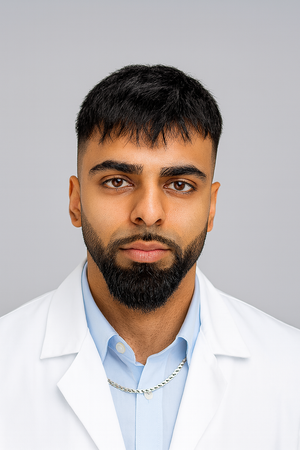
Medically reviewed by
Tarun Kumar, Prescribing Pharmacist (GPhC 2233073)
Reviewed on: June 03, 2026