

Are Cold Sores Contagious? Transmission & Prevention
Are Cold Sores Contagious? Understanding Transmission

Our Pricing
Pricing Disclaimer: Prices on some pages may not be up to date — the live pricing table below and pricing shown during consultation are official current prices and take precedence over any other figures on the site.

Are Cold Sores Contagious? Understanding Transmission
Published on: June 03, 2026
Are cold sores contagious? Yes — cold sores caused by the herpes simplex virus type 1 (HSV-1) are highly contagious from the first tingling sensation through complete healing. At Cured Pharmacy, our superintendent pharmacist Tarun Kumar and UK clinical team help thousands of patients understand transmission risks and access effective antiviral treatments like aciclovir to reduce outbreak duration and viral shedding.
When Are Cold Sores Most Contagious?
Cold sores are most contagious during the blister stage when fluid-filled vesicles rupture and release high concentrations of HSV-1 viral particles [1]. However, transmission can occur at any stage from the initial tingling (prodrome) through complete healing, typically spanning 7-10 days without treatment.
Clinical studies demonstrate that viral shedding peaks 48-72 hours after blister formation, with viral loads in lesion fluid reaching 10⁶ to 10⁷ plaque-forming units per millilitre [1]. Even during the crusting phase, infectious viral particles remain present until the scab falls off naturally and underlying skin has fully regenerated.
Crucially, asymptomatic viral shedding can occur in approximately 6-33% of individuals between outbreaks, meaning HSV-1 transmission is possible even without visible cold sores [2]. This explains why many people contract the virus from partners or family members who appear completely symptom-free.
How Cold Sores Spread: Transmission Routes
HSV-1 transmits primarily through direct contact with infected saliva, lesion fluid, or mucosal surfaces. The most common transmission routes include kissing, sharing drinking glasses, utensils, lip balm, towels, or razors with someone experiencing an active outbreak [3].
The virus enters the body through microscopic breaks in skin or mucous membranes around the mouth, nose, or eyes. Once inside, HSV-1 travels along sensory nerve pathways to establish latent infection in the trigeminal ganglion, where it remains dormant between outbreaks [3].
Oral-to-genital transmission is increasingly recognised as a significant route, with HSV-1 now causing approximately 50% of new genital herpes cases in some UK populations [4]. This occurs through oral sexual contact when one partner has an active or subclinical oral HSV-1 infection.
High-Risk Contact Scenarios
Certain situations dramatically increase transmission probability: kissing during active outbreaks carries approximately 30-50% transmission risk per exposure [2]. Sharing eating utensils or drinking from the same glass during the blister stage poses similar risks, as HSV-1 can survive on surfaces for several hours under optimal conditions.
Contact sports involving facial contact, sharing mouthguards, or communal towel use in gyms create additional transmission opportunities. Parents with active cold sores should exercise particular caution with infants, as neonatal HSV infection, though rare, can cause serious complications.
How Long Are Cold Sores Contagious?
Without antiviral treatment, cold sores typically remain contagious for 7-12 days from the first tingling sensation until complete healing [1]. The contagious period follows a predictable pattern: prodrome (1-2 days), blister formation (2-3 days), rupture and ulceration (2-3 days), crusting (2-3 days), and final healing (1-2 days).
Early treatment with aciclovir cream can reduce the contagious period by 1-2 days by accelerating healing and reducing viral replication [5]. Oral aciclovir tablets, when started within 48 hours of symptom onset, may reduce viral shedding duration by up to 50% in clinical trials [5].
You should consider yourself potentially contagious until the scab has fallen off completely and fresh pink skin has formed underneath. Even minor cracks in healing tissue can harbour infectious viral particles, so maintaining precautions throughout the entire healing process protects others effectively.
Preventing Cold Sore Transmission to Others
The most effective prevention strategy is avoiding direct contact during active outbreaks. This means no kissing, no sharing of items that touch the mouth, and meticulous hand hygiene after touching the affected area [3].
Practical prevention measures include using disposable tissues instead of cloth handkerchiefs, applying antiviral cream with cotton buds rather than fingers, and washing hands thoroughly with soap for at least 20 seconds after any contact with the lesion. Replace toothbrushes once the outbreak begins and again after complete healing to avoid reinfection.
During the contagious period, avoid contact sports, swimming pools where facial contact occurs, and close contact with immunocompromised individuals or newborns. If you must be around others, consider covering the lesion with a hydrocolloid patch, though this doesn't eliminate transmission risk entirely [6].
Protecting Intimate Partners
Communicate openly with partners about active outbreaks and avoid kissing or oral sexual contact from the first tingling sensation through complete healing. Even with visible lesions covered, HSV-1 can spread through saliva and surrounding skin contact.
For couples where one partner has recurrent cold sores, consider suppressive antiviral therapy during high-risk periods. Daily oral aciclovir may reduce transmission risk by decreasing both symptomatic outbreaks and asymptomatic viral shedding, though this use requires consultation with a UK prescriber [5].
Can You Kiss Someone With a Cold Sore?
Kissing someone with an active cold sore carries significant HSV-1 transmission risk and should be avoided from the first tingling sensation through complete healing. Clinical data shows that direct lip-to-lip contact during the blister stage results in approximately 30-50% transmission probability per exposure [2].
Even brief pecks on the lips can transmit the virus, as HSV-1 requires only momentary contact with mucous membranes or microscopic skin breaks to establish infection. The romantic notion that 'quick kisses are safe' contradicts virological evidence — viral particles transfer almost instantaneously upon contact with infectious lesions [3].
Kissing other areas like cheeks or forehead carries lower but non-zero risk, particularly if the person with the cold sore has touched their lesion and then touched that area. The safest approach is postponing intimate contact until the scab has fallen off naturally and fresh skin has completely formed, typically 10-14 days from initial symptoms.
Treatment Options to Reduce Contagious Period
Topical aciclovir cream, available from Cured Pharmacy from £4.49, works by inhibiting viral DNA polymerase, reducing HSV-1 replication when applied at the first sign of tingling [5]. Clinical trials demonstrate that 5% aciclovir cream applied five times daily can reduce healing time by approximately 0.5-1 day and may decrease viral shedding duration.
For patients experiencing frequent or severe outbreaks, oral aciclovir tablets offer more comprehensive viral suppression. Prescription-strength oral formulations achieve higher systemic drug levels than topical creams, potentially reducing the contagious period by up to 2 days when initiated within 48 hours of prodromal symptoms [5].
All prescription aciclovir treatments at Cured Pharmacy require a brief online clinical assessment by a UK prescriber, ensuring appropriate use and dosing. Our superintendent pharmacist Tarun Kumar (GPhC 2233073) oversees all dispensing, guaranteeing you receive genuine UK-licensed medicines with transparent upfront pricing.
When to Seek Clinical Advice
Contact a healthcare professional if cold sores spread to eyes (causing pain, light sensitivity, or vision changes), if you develop widespread lesions suggesting eczema herpeticum, or if you're immunocompromised and develop any HSV symptoms. These situations may require urgent systemic antiviral therapy.
Recurrent outbreaks occurring more than six times annually may warrant suppressive therapy discussion with a UK prescriber. Daily low-dose oral aciclovir can reduce outbreak frequency by 70-80% in clinical trials and significantly decrease asymptomatic viral shedding periods [5].
Scientific References
- Arduino, P. G., & Porter, S. R. (2008). Herpes Simplex Virus Type 1 infection: overview on relevant clinico-pathological features. Journal of Oral Pathology & Medicine, 37(2), 107–121. https://doi.org/10.1111/j.1600-0714.2007.00586.x [accessed 13 August 2026]
- Wald, A., Corey, L., Cone, R., Hobson, A., Davis, G., & Zeh, J. (1997). Frequent genital herpes simplex virus 2 shedding in immunocompetent women. Effect of acyclovir treatment. Journal of Clinical Investigation, 99(5), 1092–1097. https://doi.org/10.1172/JCI119237 [accessed 13 August 2026]
- Fatahzadeh, M., & Schwartz, R. A. (2007). Human herpes simplex virus infections: epidemiology, pathogenesis, symptomatology, diagnosis, and management. Journal of the American Academy of Dermatology, 57(5), 737–763. https://doi.org/10.1016/j.jaad.2007.06.027 [accessed 13 August 2026]
- Bernstein, D. I., Bellamy, A. R., Hook, E. W., Levin, M. J., Wald, A., Ewell, M. G., Wolff, P. A., Deal, C. D., Heineman, T. C., Dubin, G., & Belshe, R. B. (2013). Epidemiology, clinical presentation, and antibody response to primary infection with herpes simplex virus type 1 and type 2 in young women. Clinical Infectious Diseases, 56(3), 344–351. https://doi.org/10.1093/cid/cis891 [accessed 13 August 2026]
- Spruance, S. L., Nett, R., Marbury, T., Wolff, R., Johnson, J., & Spaulding, T. (2002). Acyclovir cream for treatment of herpes simplex labialis: results of two randomized, double-blind, vehicle-controlled, multicenter clinical trials. Antimicrobial Agents and Chemotherapy, 46(7), 2238–2243. https://doi.org/10.1128/AAC.46.7.2238-2243.2002 [accessed 13 August 2026]
- Kimberlin, D. W., & Baley, J. (2013). Guidance on management of asymptomatic neonates born to women with active genital herpes lesions. Pediatrics, 131(2), e635–e646. https://doi.org/10.1542/peds.2012-3216 [accessed 13 August 2026]
Information on this page is for educational purposes only and is not medical advice. All prescription treatments require clinical assessment by a UK-registered prescriber. Always consult a qualified healthcare professional before starting any new medication.
Trusted by thousands
Real people, real results
Jane L.
"Brilliant. Lost 4 stone on mounjaro no side effects at all. Cured pharmacy are excellent. Always helpful pens sent out quickly always comes with needles and sterile wipes. If you want to go on GLP-1 go to cured pharmacy. So professional. Thank you cured pharmacy you changed my health and well being."
Ann-Marie
"I absolutely love this product, I have been using 2.5mg as maintenance dose and have managed to control my weight without any side effects and can still eat well balanced meals. The pharmacy is very efficient friendly and helpful I would not purchase from anywhere else."
Sacha W.
"So far I'm really impressed by my results it's crazy cause I'm not snacking like how I used to do and I see my face slimming down already and it's only been 2 and a half weeks. Can't wait to give my feedback in 5 months time thank you cured pharmacy."
Kimberly G.
"Mounjaro has corrected my hormonal weight gain during menopause. I am using it now to maintain that balance. The results for me have been exceptional!"
Jennifer
"Great really helps cure those nasty habits can't wait for my next mounjaro pen."
How it Works?


Faq
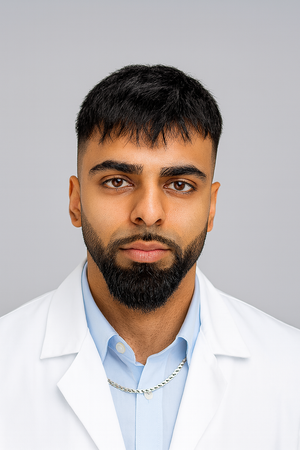
Medically reviewed by
Tarun Kumar, Prescribing Pharmacist (GPhC 2233073)
Reviewed on: June 03, 2026