

Are Cold Sores Always Herpes? UK Symptoms Guide
Are Cold Sores Always Herpes? Understanding Symptoms

Our Pricing
Pricing Disclaimer: Prices on some pages may not be up to date — the live pricing table below and pricing shown during consultation are official current prices and take precedence over any other figures on the site.

Are Cold Sores Always Herpes? Understanding Symptoms
Published on: June 03, 2026
If you're wondering are cold sores always herpes UK, the answer is yes—cold sores are caused by the herpes simplex virus type 1 (HSV-1) in over 90% of cases [1]. At Cured Pharmacy, our UK-registered clinical team helps patients understand the connection between cold sores and herpes, recognise early symptoms, and access effective antiviral treatments like aciclovir from £4.49.
The Link Between Cold Sores and Herpes Simplex Virus
Cold sores are indeed a manifestation of herpes infection, specifically caused by herpes simplex virus type 1 (HSV-1) in the majority of cases [1]. Approximately 67% of the UK population under 50 carries HSV-1, though many never develop visible symptoms [2]. The virus remains dormant in nerve cells after initial infection and can reactivate periodically, causing the characteristic fluid-filled blisters around the lips and mouth.
Less commonly, cold sores can result from herpes simplex virus type 2 (HSV-2), typically associated with genital herpes, though this accounts for fewer than 10% of oral herpes cases [1]. Both HSV-1 and HSV-2 are lifelong infections that cannot be cured, but antiviral medications like aciclovir can significantly reduce outbreak frequency, duration, and severity when used appropriately.
Recognising Cold Sore Symptoms and Stages
Cold sore outbreaks typically progress through five distinct stages over 7-10 days [3]. The initial tingling or burning sensation—often called the prodrome phase—occurs 12-24 hours before visible blisters appear. This early warning period is the optimal time to apply antiviral treatment for maximum effectiveness.
Following the tingling phase, small fluid-filled blisters emerge, usually clustered around the lip border or corners of the mouth. These blisters then rupture and weep, forming painful open sores that crust over during the healing phase. Throughout this progression, patients may experience localised pain, itching, and occasional swelling of nearby lymph nodes [3].
First Episode vs Recurrent Outbreaks
Primary HSV-1 infection—your first exposure to the virus—often produces more severe symptoms than subsequent recurrences. Initial outbreaks may include fever, sore throat, swollen glands, and multiple painful sores inside and around the mouth, sometimes mistaken for other conditions [2]. Recurrent cold sores tend to be milder, appearing in the same location and resolving more quickly, particularly when treated early with aciclovir cream or tablets.
Common Triggers for Cold Sore Outbreaks
Understanding what reactivates dormant HSV-1 helps patients reduce outbreak frequency. Stress and fatigue are among the most frequently reported triggers, as they temporarily suppress immune function and allow the virus to replicate [4]. Physical stressors like illness, surgery, or dental procedures can similarly precipitate outbreaks.
Environmental factors play a significant role as well. Excessive sun exposure damages the delicate lip tissue and triggers viral reactivation in susceptible individuals—applying SPF lip balm before outdoor activities provides meaningful protection [4]. Hormonal fluctuations during menstruation, cold weather causing chapped lips, and local trauma from dental work or lip injuries can all prompt cold sore development in carriers of HSV-1.
Effective Aciclovir Treatment for Cold Sores
Aciclovir remains the gold-standard antiviral treatment for cold sores in the UK, available as both topical cream and oral tablets [5]. The medication works by inhibiting viral DNA replication, preventing HSV-1 from multiplying and spreading to healthy cells. When applied at the first tingling sensation, aciclovir cream can reduce healing time by 1-2 days and decrease pain severity.
At Cured Pharmacy, you can access Numark Cold Sore Cream containing 5% aciclovir from £4.49, or prescription-strength oral aciclovir tablets for more severe or frequent outbreaks. Oral aciclovir demonstrates superior efficacy compared to topical formulations, particularly for patients experiencing more than six outbreaks annually [5]. All prescription treatments require a brief online clinical assessment by our UK-registered prescribers to ensure suitability and appropriate dosing.
How to Apply Aciclovir Cream Correctly
For maximum benefit, apply aciclovir cream five times daily at approximately four-hour intervals, starting at the earliest sign of tingling or redness. Use a clean finger or cotton bud to gently dab—never rub—the cream onto the affected area, ensuring you wash hands thoroughly before and after application to prevent viral transmission. Continue treatment for five days, or until the cold sore has completely healed, whichever comes first.
Are Cold Sores Always Herpes? Differential Diagnosis
While cold sores are virtually always caused by herpes simplex virus, other conditions can occasionally mimic their appearance. Angular cheilitis—inflammation and cracking at the mouth corners—results from fungal or bacterial infection rather than HSV-1, though the two conditions may coexist [6]. Canker sores (aphthous ulcers) develop inside the mouth on soft tissue and are not caused by herpes virus, unlike cold sores which appear on the lip border.
Impetigo, a bacterial skin infection more common in children, can produce crusty sores around the mouth that resemble healing cold sores. However, impetigo typically spreads more rapidly, responds to antibiotic rather than antiviral treatment, and occurs without the characteristic tingling prodrome of HSV-1 [6]. If you're uncertain about your symptoms, our UK pharmacists at Cured Pharmacy can provide guidance during your free online consultation.
Preventing Cold Sore Transmission and Recurrence
HSV-1 spreads through direct contact with active cold sores or infected saliva, making prevention crucial during outbreaks. Avoid kissing, sharing utensils, towels, or lip products whilst sores are present, and refrain from oral-genital contact as HSV-1 can cause genital herpes [7]. The virus remains contagious from the first tingling sensation until sores have completely healed and new skin has formed.
For patients experiencing frequent recurrences—typically defined as six or more outbreaks per year—suppressive antiviral therapy may be appropriate. Daily low-dose aciclovir tablets can reduce outbreak frequency by up to 80% in clinical studies, significantly improving quality of life for severely affected individuals [7]. This approach requires prescription from a UK prescriber following clinical assessment, available through our confidential online consultation service at Cured Pharmacy.
Lifestyle Modifications to Reduce Outbreaks
Beyond antiviral medication, simple lifestyle adjustments can meaningfully reduce cold sore frequency. Prioritise adequate sleep, manage stress through regular exercise or relaxation techniques, and maintain robust immune function with a balanced diet rich in lysine-containing foods like fish, chicken, and legumes. Always apply high-SPF lip balm before sun exposure, stay well-hydrated, and replace toothbrushes after outbreaks to prevent reinfection from contaminated bristles.
Scientific References
- James, C., Harfouche, M., Welton, N. J., Turner, K. M., Abu-Raddad, L. J., Gottlieb, S. L., & Looker, K. J. (2020). Herpes simplex virus: global infection prevalence and incidence estimates, 2016. Bulletin of the World Health Organization, 98(5), 315–329. https://doi.org/10.2471/BLT.19.237149 [accessed 13 August 2026]
- Arduino, P. G., & Porter, S. R. (2008). Herpes Simplex Virus Type 1 infection: overview on relevant clinico-pathological features. Journal of Oral Pathology & Medicine, 37(2), 107–121. https://doi.org/10.1111/j.1600-0714.2007.00586.x [accessed 13 August 2026]
- Fatahzadeh, M., & Schwartz, R. A. (2007). Human herpes simplex virus infections: epidemiology, pathogenesis, symptomatology, diagnosis, and management. Journal of the American Academy of Dermatology, 57(5), 737–763. https://doi.org/10.1016/j.jaad.2007.06.027 [accessed 13 August 2026]
- Pedersen, A., & Hornsleth, A. (1993). Recurrence of herpes simplex virus in an experimental human model. Journal of Oral Pathology & Medicine, 22(7), 299–303. https://doi.org/10.1111/j.1600-0714.1993.tb01074.x [accessed 13 August 2026]
- Spruance, S. L., Rea, T. L., Thoming, C., Tucker, R., Saltzman, R., & Boon, R. (1997). Penciclovir cream for the treatment of herpes simplex labialis: a randomized, multicenter, double-blind, placebo-controlled trial. JAMA, 277(17), 1374–1379. https://doi.org/10.1001/jama.1997.03540410052031 [accessed 13 August 2026]
- Park, K. K., Brodell, R. T., & Helms, S. E. (2011). Angular cheilitis, part 1: local etiologies. Cutis, 88(6), 289–295. [accessed 13 August 2026]
- Cernik, C., Gallina, K., & Brodell, R. T. (2008). The treatment of herpes simplex infections: an evidence-based review. Archives of Internal Medicine, 168(11), 1137–1144. https://doi.org/10.1001/archinte.168.11.1137 [accessed 13 August 2026]
Information on this page is for educational purposes only and is not medical advice. All prescription treatments require clinical assessment by a UK-registered prescriber. Always consult a qualified healthcare professional before starting any new medication.
Trusted by thousands
Real people, real results
Jane L.
"Brilliant. Lost 4 stone on mounjaro no side effects at all. Cured pharmacy are excellent. Always helpful pens sent out quickly always comes with needles and sterile wipes. If you want to go on GLP-1 go to cured pharmacy. So professional. Thank you cured pharmacy you changed my health and well being."
Ann-Marie
"I absolutely love this product, I have been using 2.5mg as maintenance dose and have managed to control my weight without any side effects and can still eat well balanced meals. The pharmacy is very efficient friendly and helpful I would not purchase from anywhere else."
Sacha W.
"So far I'm really impressed by my results it's crazy cause I'm not snacking like how I used to do and I see my face slimming down already and it's only been 2 and a half weeks. Can't wait to give my feedback in 5 months time thank you cured pharmacy."
Kimberly G.
"Mounjaro has corrected my hormonal weight gain during menopause. I am using it now to maintain that balance. The results for me have been exceptional!"
Jennifer
"Great really helps cure those nasty habits can't wait for my next mounjaro pen."
How it Works?


Faq
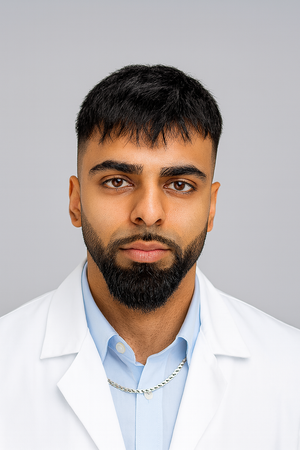
Medically reviewed by
Tarun Kumar, Prescribing Pharmacist (GPhC 2233073)
Reviewed on: June 03, 2026