

Are Cold Sores Always Herpes? Understanding Transmission

Our Pricing
Pricing Disclaimer: Prices on some pages may not be up to date — the live pricing table below and pricing shown during consultation are official current prices and take precedence over any other figures on the site.

Are Cold Sores Always Herpes? Understanding Transmission
Published on: June 03, 2026
Many UK patients ask: are cold sores always herpes? The answer is yes—cold sores are caused by herpes simplex virus type 1 (HSV-1), a common viral infection affecting up to 67% of adults worldwide [1]. Understanding how HSV-1 transmits and when you're contagious helps you protect others and manage outbreaks effectively with clinically proven treatments.
What Causes Cold Sores?
Cold sores are caused exclusively by herpes simplex virus type 1 (HSV-1), though occasionally herpes simplex virus type 2 (HSV-2) can also cause oral lesions [1]. Once you contract HSV-1, the virus remains dormant in nerve cells near your spine and can reactivate periodically throughout your life.
Common triggers for reactivation include stress, fatigue, illness, sun exposure, hormonal changes, and immune system suppression [2]. When the virus reactivates, it travels along nerve pathways to your lips or mouth, causing the characteristic fluid-filled blisters we recognise as cold sores.
The initial infection often occurs during childhood through non-sexual contact—sharing utensils, kissing family members, or touching contaminated surfaces. Many people contract HSV-1 without developing visible symptoms, yet they can still transmit the virus to others [1].
How Are Cold Sores Transmitted?
HSV-1 spreads through direct contact with infected saliva, oral secretions, or the fluid from cold sore blisters [2]. You can contract the virus even when no visible cold sore is present—a phenomenon called asymptomatic viral shedding, which occurs in approximately 9-18% of days in infected individuals [3].
High-risk transmission activities include kissing, sharing drinks or eating utensils, sharing lip balm or lipstick, sharing towels or razors, and touching an active cold sore then touching another person. The virus can also spread to other parts of your own body through autoinoculation—touching a cold sore then touching your eyes or genitals without washing your hands.
Cold sores are most contagious from the first tingling sensation (prodrome stage) until the lesion has completely healed and new skin has formed, typically 7-10 days [2]. However, transmission can occur at any time, even during dormant periods without visible symptoms.
Reducing Transmission Risk
To minimise spreading HSV-1 to others, avoid kissing and intimate contact during active outbreaks, wash hands thoroughly after touching your face, avoid sharing personal items like towels and utensils, and consider starting antiviral treatment at the first sign of symptoms. Early treatment with aciclovir cream can reduce viral shedding and shorten outbreak duration by 1-2 days when applied within the first few hours of symptoms [4].
Cold Sore Stages and Contagious Periods
Understanding the progression of a cold sore outbreak helps you identify when you're most contagious. The prodrome stage begins 6-24 hours before visible blisters appear, with tingling, itching, or burning sensations around the lips—viral shedding is already occurring and you can transmit HSV-1 to others [2].
The blister stage follows, with small fluid-filled blisters appearing in clusters. These blisters contain high concentrations of infectious viral particles and represent the peak contagious period [3]. Within 48 hours, blisters typically rupture and weep clear fluid, forming painful open sores that remain highly contagious.
The crusting stage begins 3-4 days after blister formation, as the lesions dry and develop yellow-brown crusts. Though less contagious than earlier stages, HSV-1 can still transmit through contact with the scab. Finally, the healing stage occurs as the crust falls off and new skin forms underneath, typically 7-10 days after initial symptoms—you remain mildly contagious until complete healing occurs [2].
Are Cold Sores Always Herpes? Differential Diagnosis
Whilst cold sores are always caused by herpes simplex virus, not every lip lesion is a cold sore. Angular cheilitis causes cracking and inflammation at the corners of the mouth, often due to fungal infection, nutritional deficiency, or bacterial infection—not HSV-1. Canker sores (aphthous ulcers) develop inside the mouth on soft tissues and are not caused by herpes virus; they result from immune responses, minor injuries, or nutritional deficiencies [5].
Impetigo, a bacterial skin infection caused by Staphylococcus or Streptococcus, can produce honey-coloured crusted lesions around the mouth that may resemble cold sores. Allergic reactions to cosmetics, toothpaste, or foods can cause lip swelling and irritation without viral involvement. If you're uncertain whether a lesion is a cold sore, a healthcare professional can perform viral culture or PCR testing to confirm HSV-1 infection [5].
True cold sores caused by HSV-1 typically recur in the same location, begin with prodromal tingling, and follow the characteristic blister-to-crust progression described earlier. They appear on the outer lips or surrounding skin, whereas canker sores develop inside the mouth on moveable soft tissues.
When to Seek Medical Advice
Consult a healthcare professional if cold sores don't heal within 10 days, outbreaks occur more than six times per year, you experience severe pain or multiple lesions, cold sores spread to your eyes or other body areas, or you have a weakened immune system. Our superintendent pharmacist Tarun Kumar and the clinical team at Cured Pharmacy can assess your symptoms through a free online consultation and recommend appropriate treatment.
Effective Cold Sore Treatments Available in the UK
Aciclovir cream remains the gold-standard topical treatment for cold sores in the UK, licensed by the MHRA for over-the-counter use [4]. When applied at the first sign of tingling, aciclovir works by inhibiting viral DNA replication, reducing viral shedding and shortening outbreak duration by an average of 0.5-1 day [4].
At Cured Pharmacy, Numark Cold Sore Cream containing 5% aciclovir is available from £4.49, offering the same active ingredient as premium brands at significantly lower cost. For maximum effectiveness, apply the cream five times daily at approximately four-hour intervals, continuing for five days even if symptoms improve earlier.
Oral antiviral tablets such as aciclovir 400mg taken five times daily or valaciclovir 2g twice daily for one day may be prescribed for severe or frequent outbreaks [6]. These prescription treatments require clinical assessment by a UK prescriber, which our team provides through a free online consultation taking under three minutes.
Living with HSV-1: Long-Term Management Strategies
Since HSV-1 remains in your body permanently after initial infection, long-term management focuses on reducing outbreak frequency and severity. Identifying and avoiding personal triggers—such as excessive sun exposure, stress, or lack of sleep—can significantly reduce recurrence rates [2].
For patients experiencing six or more outbreaks per year, suppressive antiviral therapy may be appropriate. Daily low-dose aciclovir or valaciclovir can reduce outbreak frequency by 70-80% in clinical studies [6]. This approach requires ongoing prescription from a UK healthcare provider and regular monitoring.
Maintaining overall health through adequate sleep, stress management, balanced nutrition, and sun protection supports immune function and may reduce viral reactivation. Using lip balm with SPF 30 or higher during sun exposure has been shown to decrease UV-triggered outbreaks [2]. Remember that even with optimal management, occasional outbreaks may still occur—having aciclovir cream readily available ensures prompt treatment at the first prodromal symptom.
Psychological Impact and Support
Living with recurrent cold sores can affect self-confidence and social interactions. Understanding that HSV-1 is extremely common—affecting approximately two-thirds of adults worldwide—helps normalise the condition [1]. Open communication with partners about your HSV-1 status and transmission prevention reduces anxiety and builds trust. If cold sores significantly impact your quality of life, discuss your concerns with a healthcare professional who can explore additional management options.
Scientific References
- World Health Organization. (2023). Herpes simplex virus. WHO Fact Sheets. https://www.who.int/news-room/fact-sheets/detail/herpes-simplex-virus [accessed 13 August 2026]
- Arduino, P. G., & Porter, S. R. (2008). Herpes Simplex Virus Type 1 infection: overview on relevant clinico-pathological features. Journal of Oral Pathology & Medicine, 37(2), 107-121. https://doi.org/10.1111/j.1600-0714.2007.00586.x [accessed 13 August 2026]
- Miller, C. S., & Danaher, R. J. (2008). Asymptomatic shedding of herpes simplex virus (HSV) in the oral cavity. Oral Surgery, Oral Medicine, Oral Pathology, Oral Radiology, and Endodontology, 105(1), 43-50. https://doi.org/10.1016/j.tripleo.2007.06.011 [accessed 13 August 2026]
- Spruance, S. L., et al. (2002). Acyclovir cream for treatment of herpes simplex labialis: results of two randomized, double-blind, vehicle-controlled, multicenter clinical trials. Antimicrobial Agents and Chemotherapy, 46(7), 2238-2243. https://doi.org/10.1128/AAC.46.7.2238-2243.2002 [accessed 13 August 2026]
- Chi, C. C., et al. (2015). Interventions for prevention of herpes simplex labialis (cold sores on the lips). Cochrane Database of Systematic Reviews, 8, CD010095. https://doi.org/10.1002/14651858.CD010095.pub2 [accessed 13 August 2026]
- Cernik, C., et al. (2008). The treatment of herpes simplex infections: An evidence-based review. Archives of Internal Medicine, 168(11), 1137-1144. https://doi.org/10.1001/archinte.168.11.1137 [accessed 13 August 2026]
Information on this page is for educational purposes only and is not medical advice. All prescription treatments require clinical assessment by a UK-registered prescriber. Always consult a qualified healthcare professional before starting any new medication.
Trusted by thousands
Real people, real results
Jane L.
"Brilliant. Lost 4 stone on mounjaro no side effects at all. Cured pharmacy are excellent. Always helpful pens sent out quickly always comes with needles and sterile wipes. If you want to go on GLP-1 go to cured pharmacy. So professional. Thank you cured pharmacy you changed my health and well being."
Ann-Marie
"I absolutely love this product, I have been using 2.5mg as maintenance dose and have managed to control my weight without any side effects and can still eat well balanced meals. The pharmacy is very efficient friendly and helpful I would not purchase from anywhere else."
Sacha W.
"So far I'm really impressed by my results it's crazy cause I'm not snacking like how I used to do and I see my face slimming down already and it's only been 2 and a half weeks. Can't wait to give my feedback in 5 months time thank you cured pharmacy."
Kimberly G.
"Mounjaro has corrected my hormonal weight gain during menopause. I am using it now to maintain that balance. The results for me have been exceptional!"
Jennifer
"Great really helps cure those nasty habits can't wait for my next mounjaro pen."
How it Works?


Faq
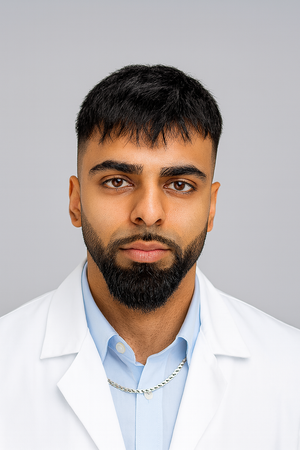
Medically reviewed by
Tarun Kumar, Prescribing Pharmacist (GPhC 2233073)
Reviewed on: June 03, 2026