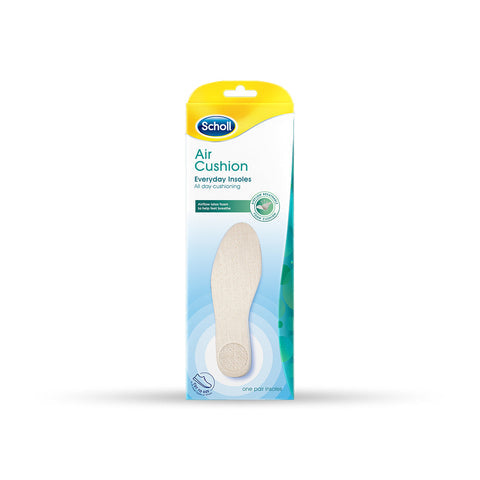
Scholl Air Cushion Everyday Insoles
Scholl Air Cushion Everyday Insoles
- ✔️ Cushioned foam layer absorbs shock with every step
- ✔️ Reduces pressure on heel and ball of foot
- ✔️ Slim profile fits most standard adult footwear
- ✔️ Moisture-wicking fabric top layer keeps feet drier
- ✔️ Trimmable design for a precise, personalised fit
Price Checker
 Lowest price guarantee
 Includes FREE private prescription


Couldn't load pickup availability
Are Everyday Insoles for Foot Pain Worth It?
If your feet ache by midday, you're far from alone. The NHS estimates that foot pain is one of the most common musculoskeletal complaints in the UK, affecting people of all ages and activity levels. Everyday insoles for foot pain like the Scholl Air Cushion Everyday Insoles offer a simple, affordable way to add cushioning and shock absorption to your regular footwear — without needing a prescription or a trip to the podiatrist. At just £3.99, they're one of the most accessible options available from our foot care collection.
These insoles are designed for daily use across a wide range of shoe types. Whether you're on your feet all day at work, commuting, or simply running errands, the added layer of cushioning can make a noticeable difference to how your feet feel by the end of the day.
How Do Scholl Air Cushion Everyday Insoles Work?
The mechanism is straightforward but effective. The insoles sit inside your shoe and work by redistributing the pressure that builds up across the sole of your foot during walking or standing. Here's how they help:
- A cushioned foam layer absorbs impact shock with each step, reducing stress on the heel and ball of the foot.
- The air cushion design helps spread body weight more evenly across the plantar surface.
- The slim profile means they fit inside most standard footwear without creating tightness or altering your gait significantly.
- The top fabric layer wicks moisture away from the skin, helping to keep feet drier and more comfortable throughout the day.
They don't correct structural foot problems — that's important to understand. But for general everyday comfort and fatigue reduction, they do exactly what they're designed to do.
Who Should Use Scholl Air Cushion Everyday Insoles?
These insoles are suitable for most healthy adults who experience general foot tiredness, mild discomfort, or simply want more cushioning in their shoes. They're particularly useful if you:
- Stand or walk for long periods during the day.
- Wear shoes with minimal built-in cushioning, such as flat pumps or work shoes.
- Experience mild heel or forefoot discomfort after activity.
- Want a low-cost, non-medicated comfort solution for everyday use.
They are not a replacement for custom orthotics or medical-grade devices. If you have a diagnosed condition such as plantar fasciitis, flat feet, or a structural deformity, you should speak to a podiatrist before relying on over-the-counter insoles alone.
How Do Scholl Air Cushion Insoles Compare to Gel Insoles?
| Feature | Scholl Air Cushion Everyday Insoles | Gel Insoles (Generic) |
|---|---|---|
| Cushioning type | Foam with air cushion layer | Silicone gel |
| Weight | Lightweight | Slightly heavier |
| Moisture management | Fabric top layer helps wick moisture | Gel can feel warm and moist |
| Price | £3.99 | Varies, typically £4–£10 |
Are Scholl Air Cushion Everyday Insoles Clinically Suitable for You?
For most healthy adults, these insoles are safe to use without any medical consultation. However, if you have diabetes, peripheral neuropathy, or poor circulation in your feet, you should always speak to your GP or podiatrist before using any insole product. Reduced sensation in the feet means pressure points or rubbing may go unnoticed, which can lead to skin breakdown. If you're managing a long-term condition affecting your feet, you may also find it helpful to explore our pain relief collection for complementary options.
These insoles are trimmed to size, so always follow the sizing guide on the packaging to ensure a proper fit. An ill-fitting insole can cause more discomfort than it relieves.
This product is a medical device. Speak to your doctor or pharmacist before using if you have an underlying medical condition or are taking other medicines.
Scholl Air Cushion Everyday Insoles specifications
| Treatment category | Foot comfort / podiatric support |
| Mechanism of action | Shock absorption and pressure redistribution via cushioned foam layer |
| Effective for | Tired, aching feet; general foot fatigue; mild heel and forefoot discomfort |
| Suitable for | Adults seeking everyday foot cushioning |
| Active ingredient | None — non-medicated device |
| Pack sizes | 1 pair |
| UK classification | General sale / medical device |
| Preparation | Foam insole with fabric top layer |
| Route of administration | Worn inside footwear |
Specifications of Scholl Air Cushion Everyday Insoles
What Are Scholl Air Cushion Everyday Insoles and What Are They Used For?
Scholl Air Cushion Everyday Insoles are non-medicated, over-the-counter cushioned insoles designed to be placed inside everyday footwear. They are used to provide additional padding and shock absorption for people who experience foot fatigue, mild discomfort, or general achiness associated with prolonged standing or walking. They are not a treatment for any specific medical condition, but they can meaningfully improve day-to-day comfort for many people.
Foot pain is extremely common. The NHS notes that most foot pain is not caused by a serious condition and can often be managed with simple self-care measures — including appropriate footwear and cushioning. These insoles sit within that self-care category, offering a practical, low-cost solution for everyday insoles for foot pain that many people experience.
What Do You Need to Know Before Using Scholl Air Cushion Everyday Insoles?
These insoles are generally safe for most adults, but there are some important points to be aware of before you start using them.
Do not use these insoles if you:
- Have been advised by a podiatrist or GP to use only custom-prescribed orthotics.
- Have an open wound, ulcer, or active skin infection on your foot.
- Have severe structural foot deformities that require medical management.
- Are a child — these insoles are designed for adult feet only.
Use with caution and seek advice first if you:
- Have diabetes — reduced foot sensation means pressure issues may go undetected.
- Have peripheral arterial disease or poor circulation in the lower limbs.
- Have peripheral neuropathy affecting foot sensation.
- Are pregnant and experiencing significant foot swelling or arch changes.
Known interactions:
- No drug interactions — this is a non-medicated mechanical device.
- May not be compatible with all shoe types; very narrow or pointed footwear may not accommodate the insole properly.
How Should You Use Scholl Air Cushion Everyday Insoles?
Using these insoles correctly is key to getting the most out of them. Follow these steps for the best fit and comfort:
- Remove the insoles from the packaging and lay them flat.
- If your shoe size falls between the marked cut lines, trim along the appropriate line using scissors.
- Remove any existing insole from your shoe before inserting the Scholl insole.
- Place the insole cushioned-side up inside your shoe, ensuring it lies flat with no folding or bunching.
- Put on your shoe and walk briefly to check the fit — the insole should feel comfortable and not cause tightness.
- Wear with socks where possible to maintain hygiene and reduce friction.
| Indication | Age Group | Usage | Frequency |
|---|---|---|---|
| General foot fatigue | Adults (18+) | 1 pair per pair of shoes | Daily, as needed |
| Mild heel discomfort | Adults (18+) | 1 pair, trimmed to fit | Daily during activity |
What Are the Possible Side Effects of Scholl Air Cushion Everyday Insoles?
Because these are non-medicated insoles, systemic side effects are not applicable. However, some users may experience localised issues, particularly if the insoles are not fitted correctly.
Common issues:
- Mild rubbing or friction if worn without socks.
- Slight tightness in the shoe if the insole is not trimmed to the correct size.
- Temporary adjustment discomfort during the first day or two of use.
Less common issues:
- Skin irritation or blistering if the insole shifts position during wear.
- Increased foot odour if the insoles are not aired out regularly.
- Worsening of foot pain if the insole is the wrong size or type for your foot shape — in this case, stop use and consult a pharmacist or podiatrist.
If you notice any persistent skin changes, redness, or worsening pain, stop using the insoles and seek advice. People with diabetes should inspect their feet daily, as the NHS recommends, and report any changes to their care team promptly. You might also find our athlete's foot and fungal infections collection useful if you're managing any associated skin concerns.
How Should You Store Scholl Air Cushion Everyday Insoles?
Proper storage helps maintain the cushioning integrity of the insoles and extends their useful life.
- Store unused insoles in a cool, dry place away from direct sunlight.
- Keep them in their original packaging until ready to use.
- Do not expose to excessive heat (e.g. leaving in a hot car), as this can degrade the foam layer.
- Allow insoles to air out overnight between uses where possible.
- Keep out of reach of children.
- Do not store in damp conditions, as moisture can affect the fabric top layer and promote bacterial growth.
Replace the insoles when the cushioning feels noticeably flatter or when comfort has reduced — typically every three to six months with daily use. If you're looking for additional support for foot-related discomfort, our pain relief collection includes topical options that may complement your foot care routine.
References
Written and reviewed by our qualified team
Your safety and success are our highest priorities. Our medical team rigorously evaluates every product and piece of advice we provide, ensuring you receive only the most effective, science-backed solutions available.
Frequently Asked Questions
Where can I buy Scholl Air Cushion Everyday Insoles online in the UK?
You can buy Scholl Air Cushion Everyday Insoles directly from Cured Pharmacy online for just £3.99, with fast UK delivery. They're available without a prescription and are ready to use straight from the packaging. Browse our full foot care collection for more options to support your foot health.
How do Scholl Air Cushion Everyday Insoles work in the shoe?
The insoles use a cushioned foam layer to absorb the impact shock generated with each step, redistributing pressure more evenly across the sole of the foot. This reduces the concentration of force on sensitive areas like the heel and ball of the foot. The result is less fatigue and discomfort during prolonged standing or walking.
How do I fit Scholl Air Cushion Everyday Insoles into my shoes?
Start by removing any existing insole from your shoe, then trim the Scholl insole along the marked cut line that matches your shoe size. Place it cushioned-side up inside the shoe, making sure it lies completely flat. Walk briefly to check the fit — there should be no bunching, folding, or tightness.
Can I wear Scholl Air Cushion Everyday Insoles all day every day?
Yes, these insoles are specifically designed for all-day everyday wear and are slim enough to fit most standard footwear comfortably. It's a good idea to allow them to air out overnight between uses to maintain freshness. Replace them every three to six months, or sooner if the cushioning feels noticeably compressed.
Are Scholl Air Cushion Everyday Insoles suitable for people with diabetes?
People with diabetes should always consult their GP or podiatrist before using any insole, including these. Diabetes can reduce sensation in the feet, meaning pressure points or rubbing may go unnoticed and lead to skin breakdown. The NHS recommends daily foot checks for people with diabetes, and specialist footwear advice should come from a qualified podiatrist.
What shoe types are Scholl Air Cushion Everyday Insoles compatible with?
These insoles are designed to fit most standard adult footwear, including trainers, work shoes, and casual shoes. They may not be suitable for very narrow, pointed, or extremely flat shoes where there is insufficient space. If your shoe already has a thick built-in insole, you may need to remove it first to ensure a comfortable fit.
What are the alternatives to Scholl Air Cushion Everyday Insoles?
Alternatives include gel heel cups for targeted heel cushioning, full-length silicone gel insoles, or custom orthotics prescribed by a podiatrist for structural foot conditions. For mild to moderate foot fatigue, over-the-counter cushioned insoles like these are often sufficient. If your foot pain is persistent or worsening, speak to your GP or a podiatrist for a proper assessment.
How long do Scholl Air Cushion Everyday Insoles last before needing replacement?
With regular daily use, most cushioned foam insoles last approximately three to six months before the cushioning compresses and loses its effectiveness. You'll know it's time to replace them when they feel noticeably flatter or when your foot comfort has reduced compared to when they were new. Replacing them regularly ensures you continue to get the support you need.
Can children use Scholl Air Cushion Everyday Insoles?
No — these insoles are designed for adult use only. Children's feet are still developing, and any foot pain or discomfort in a child should be assessed by a paediatric podiatrist rather than managed with adult over-the-counter insoles. Using incorrectly sized insoles in children could potentially affect normal foot development.
Do Scholl Air Cushion Everyday Insoles help with plantar fasciitis?
These insoles provide general cushioning and shock absorption, which may offer some relief from the heel pain associated with plantar fasciitis. However, the NHS recommends specific treatments for plantar fasciitis, including targeted stretching exercises and, in some cases, custom orthotics. If you suspect plantar fasciitis, speak to your GP or a podiatrist for a proper diagnosis and treatment plan.
Will Scholl Air Cushion Everyday Insoles make my shoes feel tighter?
Because these insoles have a slim profile, most people find they don't significantly alter the fit of their shoes. However, if your shoes are already a snug fit, adding any insole may create some tightness. In that case, try removing the shoe's existing insole first, or consider going up half a size in footwear if you plan to use insoles regularly.
How do I manage any discomfort when I first start using these insoles?
A short adjustment period of one to two days is normal as your feet adapt to the new cushioning. If discomfort persists beyond this, check that the insole is the correct size and lying completely flat inside your shoe. Persistent pain or worsening symptoms should prompt you to stop use and consult a pharmacist or podiatrist — you can also explore our pain relief collection for additional support options.
Are Scholl Air Cushion Everyday Insoles suitable for use during sport or exercise?
These insoles are designed for everyday comfort rather than high-impact sport. For running, gym training, or other vigorous activities, a sport-specific insole with greater arch support and impact absorption would be more appropriate. Using everyday insoles during high-impact exercise may not provide sufficient support and could increase the risk of foot fatigue or injury.
What is the latest thinking on insoles for everyday foot pain relief?
Current NHS guidance supports the use of cushioned insoles as part of a self-care approach to managing mild foot pain and fatigue, alongside appropriate footwear choices and regular foot care. Research published in podiatric literature consistently shows that cushioning insoles can reduce plantar pressure and improve comfort during daily activities. They are not a substitute for medical treatment where a specific condition has been diagnosed.
How do I keep Scholl Air Cushion Everyday Insoles clean and hygienic?
Remove the insoles from your shoes overnight to allow them to air out and dry naturally. If they become soiled, wipe gently with a damp cloth and allow to dry completely before replacing them in your shoes. Avoid machine washing or soaking, as this can damage the foam cushioning layer and reduce their effectiveness.
Written and reviewed by our qualified team

Reviewed by:
Tarun Kumar
Superintendent/ Clinical Lead
📖 Find out more about our team of medical content authors and how we ensure the accuracy of our content with our content guidelines.
Content last updated: 14 Sep 2026
Other popular options


We’re a safe and
regulated UK service

Lowest Price Guarantee

We're convinced you won't find your treatment cheaper, but if you do we'll refund the difference.
Find out more
100% discreet packaging

Discreet, unbranded packaging for every order.
Find out more

Need help?
Talk to our friendly experts now


How our service works

Service setup

Discreet packaging

Express delivery